

The IncastroPC test
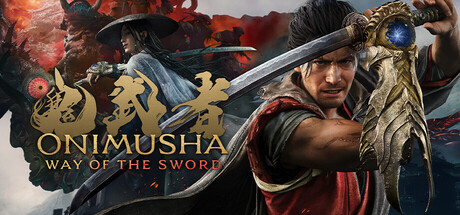
Mike Abbondandolo · November 2026 · updated on 12 November 2026Onimusha returns after 20 years with stunning visuals and a solid combat system, but it squanders its potential with flat levels, forgettable side activities and an overly hand-holding structure.
What we liked
- +Stunning visuals
- +High-quality Japanese-style audio and music
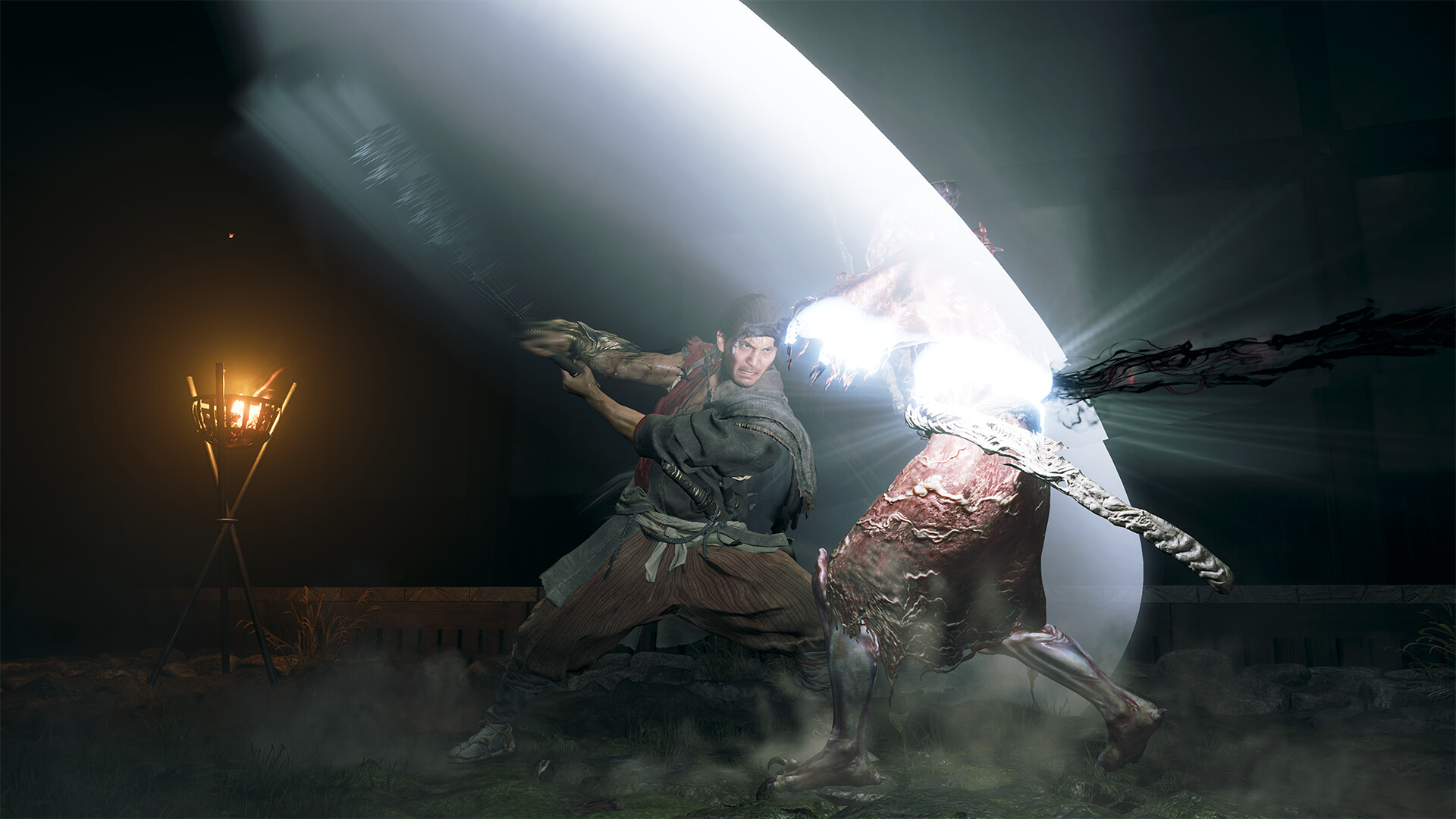
- +Spectacular finishing moves
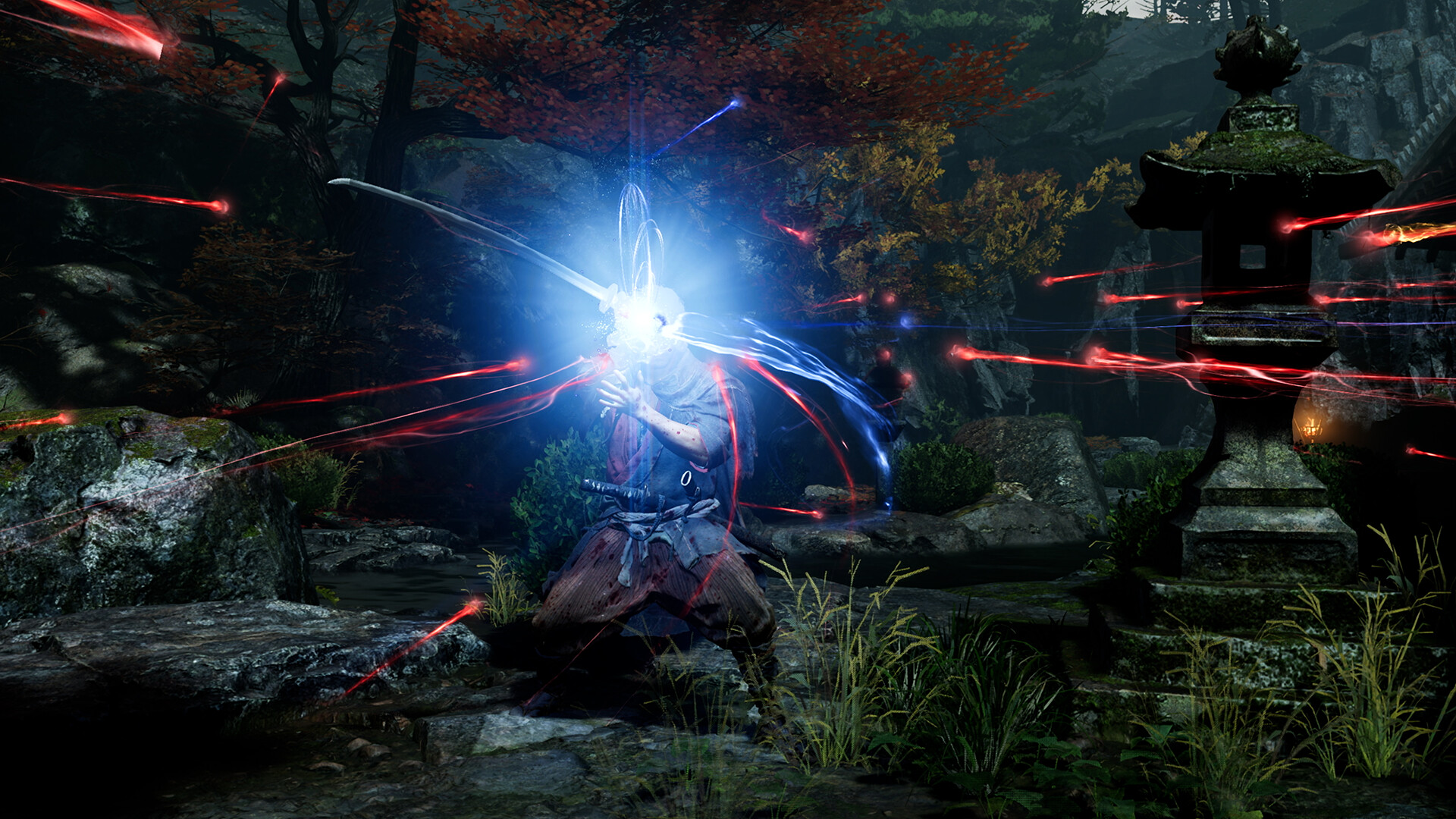
- +Well-balanced combat system, even with lots of enemies on screen
- +Runs on Linux with GE-Proton11-1 without issues
Less convincing
- −Overly guided, linear structure
- −Side activities are practically nonexistent
- −Flat, repetitive level design
- −Feels made to please the fans rather than to take risks
How we tested it


Performance
Average FPS over 9 min 58 s of gameplay, measured with MangoHud. The line marks 60 FPS. Average FPS: how many frames per second on average. 1% low: the FPS in the worst moments (the slowest 1% of frames). The closer the 1% low is to the average, the smoother the game, without stutters.
Also applies to other mini PCs with the same Radeon 780M graphics: Ryzen 7 7840HS, Ryzen 7 8845HS, Ryzen 9 7940HS Same integrated graphics, so similar FPS. They can vary a bit with RAM (speed and dual channel) and with the power limit set by the manufacturer.
Test timeline
Power is the processor's (CPU and graphics) as read by MangoHud: at the wall it's a few watts more.
Launch and tweaks
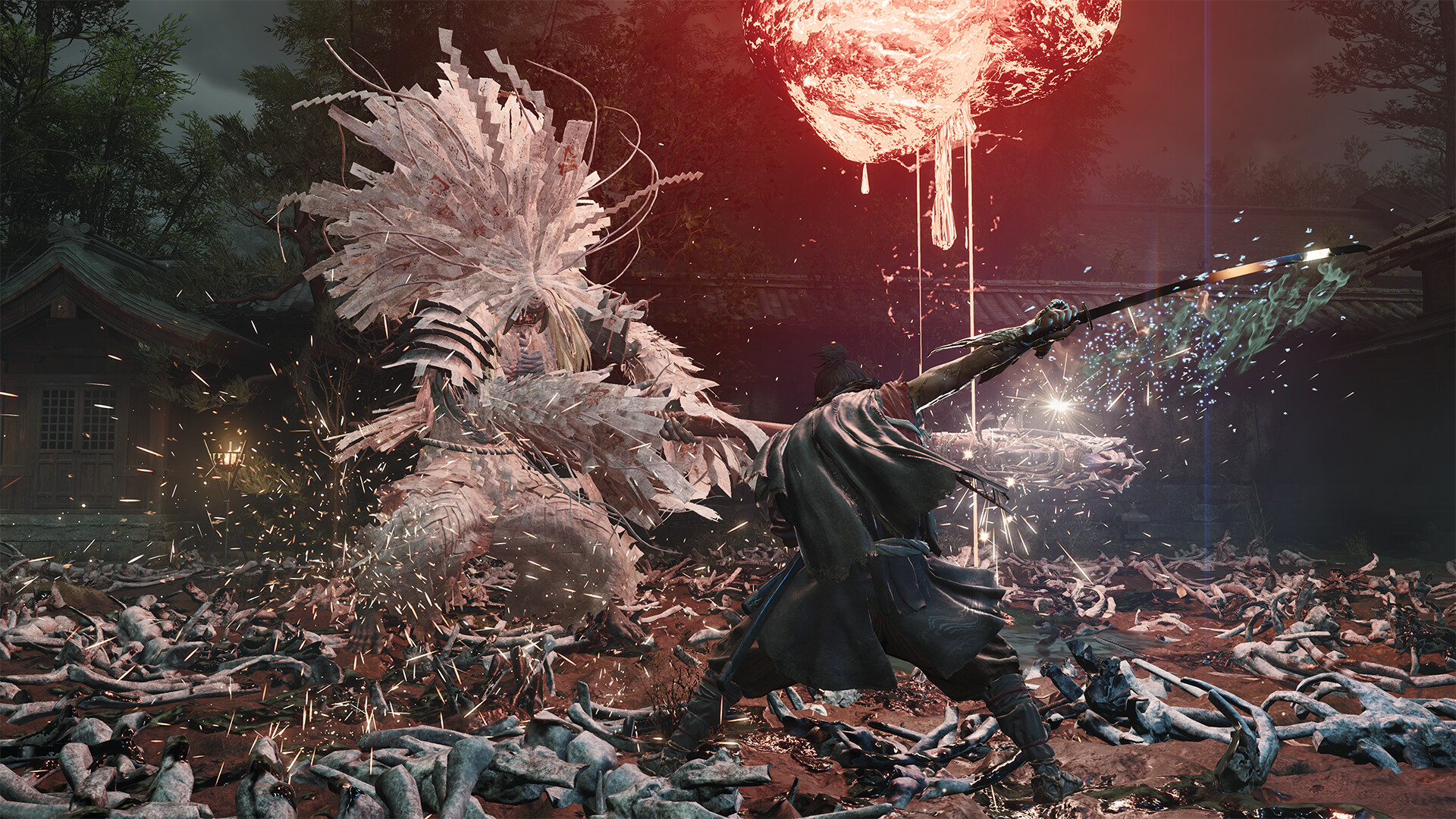
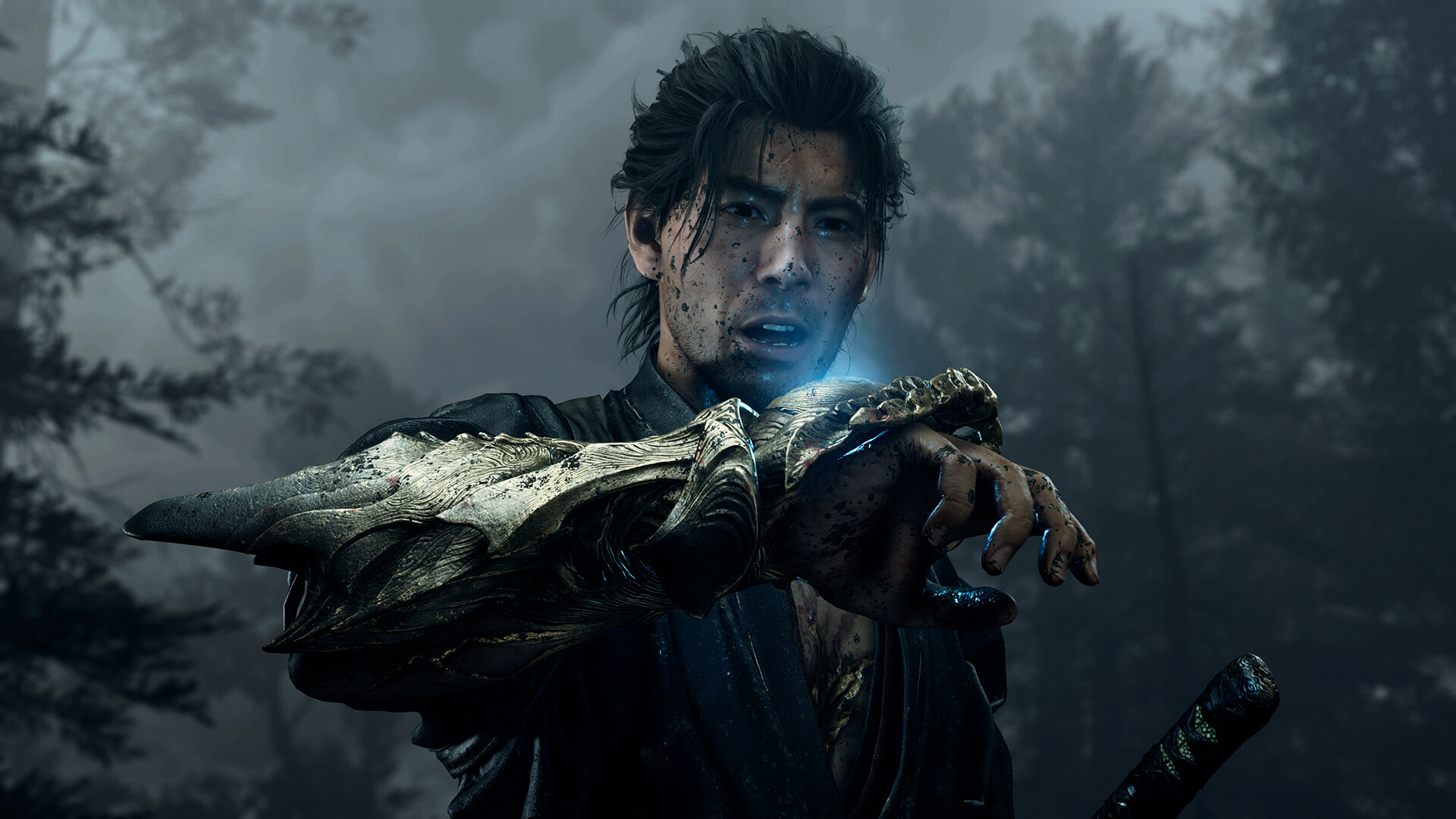
Twenty years of waiting, and Onimusha: Way of the Sword arrives with everything the fans were hoping for: spectacular graphics, music in pure Japanese style and finishing moves that make you want to watch the replay. On CachyOS with Ryzen 7 8745HS and Radeon 780M it runs via GE-Proton11-1 at 25 FPS in 4K with FSR 3 Performance and the Very Low preset — modest numbers, but the game holds up well and the occasional bit of lag doesn't spoil the experience.
The combat system is well balanced: even with lots of enemies on screen the game doesn't fall apart, and there's no risk of getting slaughtered in the blink of an eye. The finishing moves are truly spectacular, the audio is polished down to the last detail and the visuals impress even at the lowest settings. Musashi is finally back in style, and for fans of the series, that alone is worth the price.
The problem is that it stops there. The structure is overly guided and linear, the side activities are forgettable and the level design is flat. Over time the game gets repetitive, and you get the feeling Capcom wanted to please longtime fans without daring to try anything new. A long-awaited return that partly delivers, but leaves a bitter taste for what it could have been.